Masonic History
This Week in Masonic History
A weekly Johnson City Lodge feature pairing Masonic history with sourced landmarks, images, citations, and archive entries.
Weekly Features
October 5 to October 11, 2026
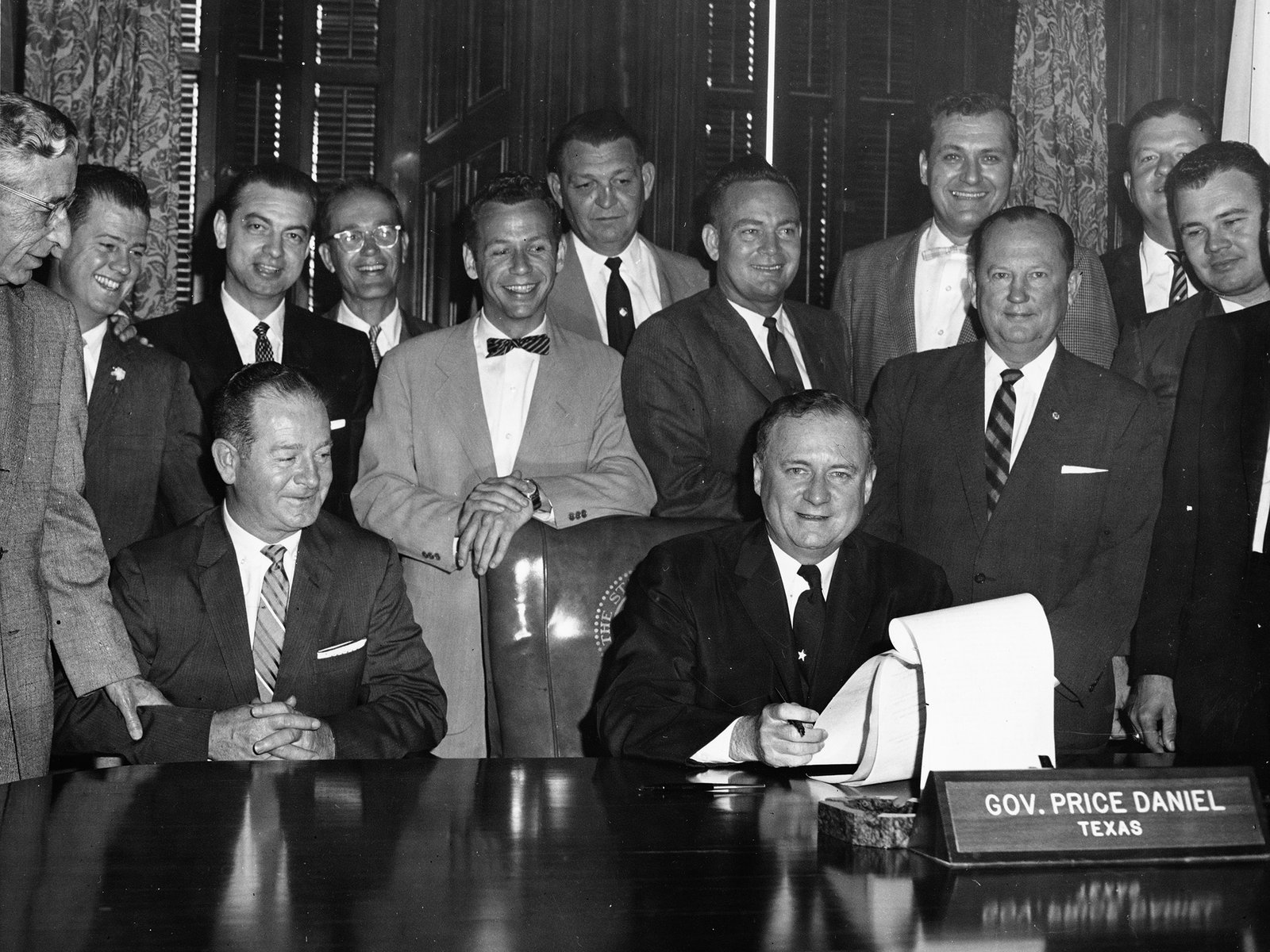
The Keeper of the Record: Price Daniel and the Archive of Texas
Price Daniel was born on October 10, 1910, in Dayton, Texas, and by his death in 1988 he had held more offices of public trust than anyone else in Texas history: speaker, attorney general, senator, three-term governor, justice of the Supreme Court. He was also a Past Master of Liberty Lodge No. 48. Through all of it ran one conviction, that the written record of Texas mattered and had to be kept. He won the tidelands by reading the terms of annexation, built the state an archive he virtually designed himself, and gave land for another. His own record is in those archives too, the hard pages with the rest. A week about the keeping of records, and about what a record keeps.
September 28 to October 4, 2026
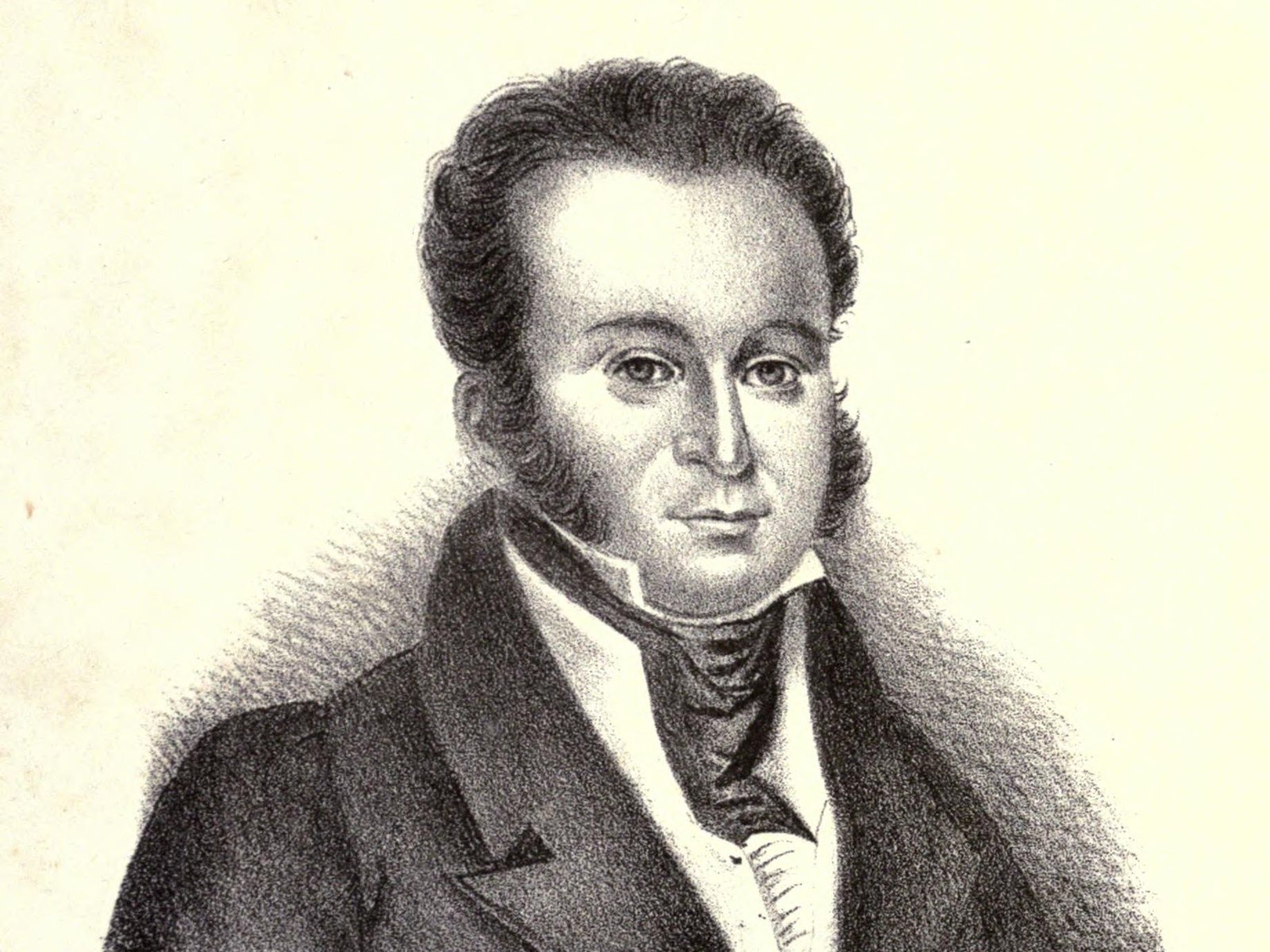
Love One Another: Lorenzo de Zavala and the Quarrel at the Lodge Door
Lorenzo de Zavala was born on October 3, 1788, near Mérida in Yucatán, and died on Buffalo Bayou in 1836 as the first vice president of the Republic of Texas. Before Texas, he helped raise the York lodges of Mexico and watched them become a political machine, in the very quarrel into which Stephen F. Austin's petition for a lodge disappeared. In his own history of those years he wrote down the rule he had learned: political business is no matter for a lodge, and the principal rule of the Craft is the command of St. John, love one another. A week about the oldest rule at the lodge door, and about the man who learned it by breaking it.
September 21 to September 27, 2026
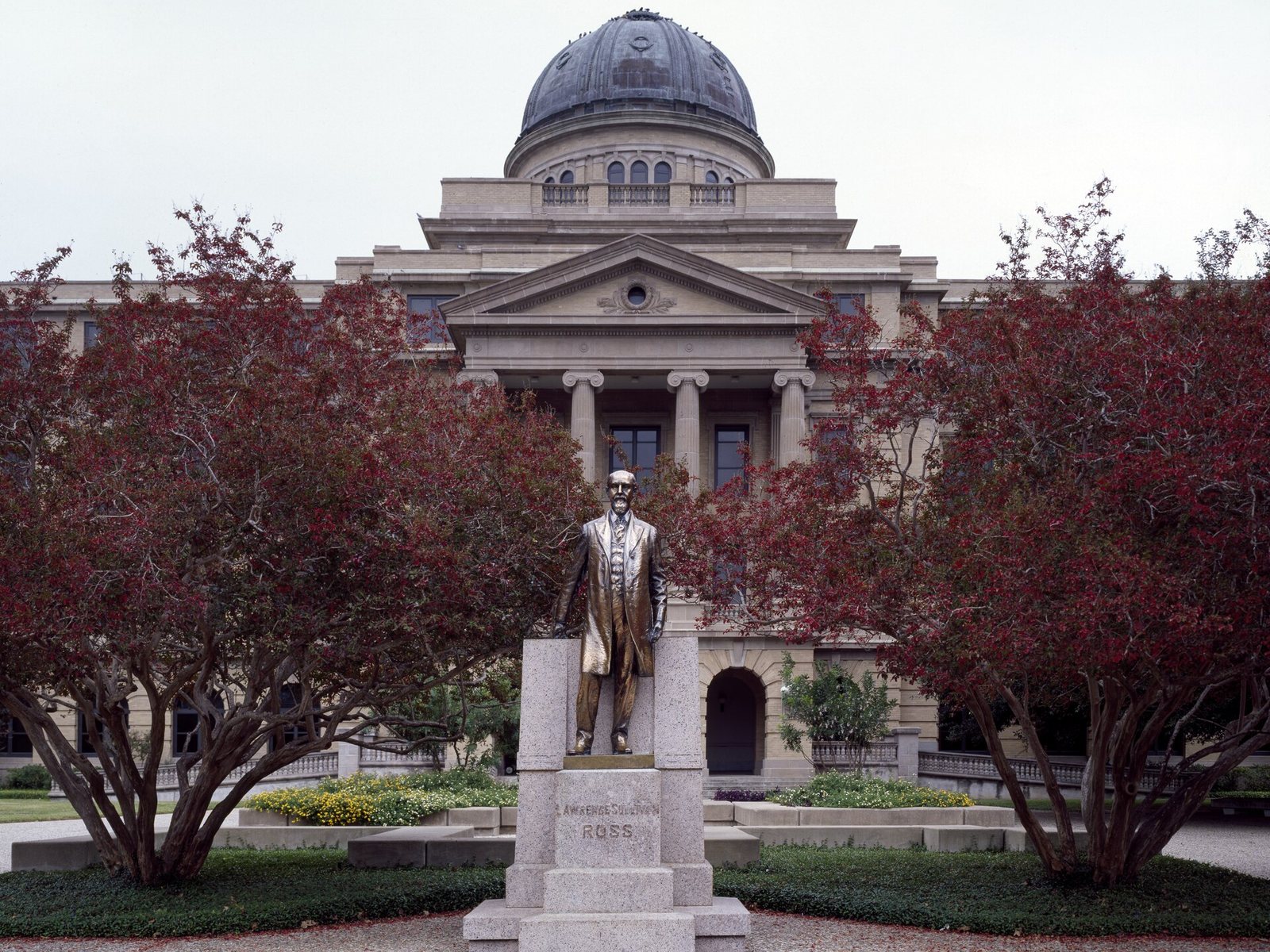
His Father's Lodge: Sul Ross and the Work of Repair
Lawrence Sullivan Ross was born on September 27, 1838, in Iowa Territory, and was a Texan before his first birthday. He grew up in Waco Village, where his father helped raise a Masonic lodge so new that the Grand Lodge chartered it without ever seeing its minutes, and in 1861, by the lodge's own record, he was made a Master Mason there. Ranger, Confederate general, sheriff, framer of the Constitution of 1876, governor, and at last president of a struggling agricultural college, Ross spent his life taking charge of things other men had begun and making them hold. A week about inheritance and repair, and about telling a brother's story whole.
September 14 to September 20, 2026
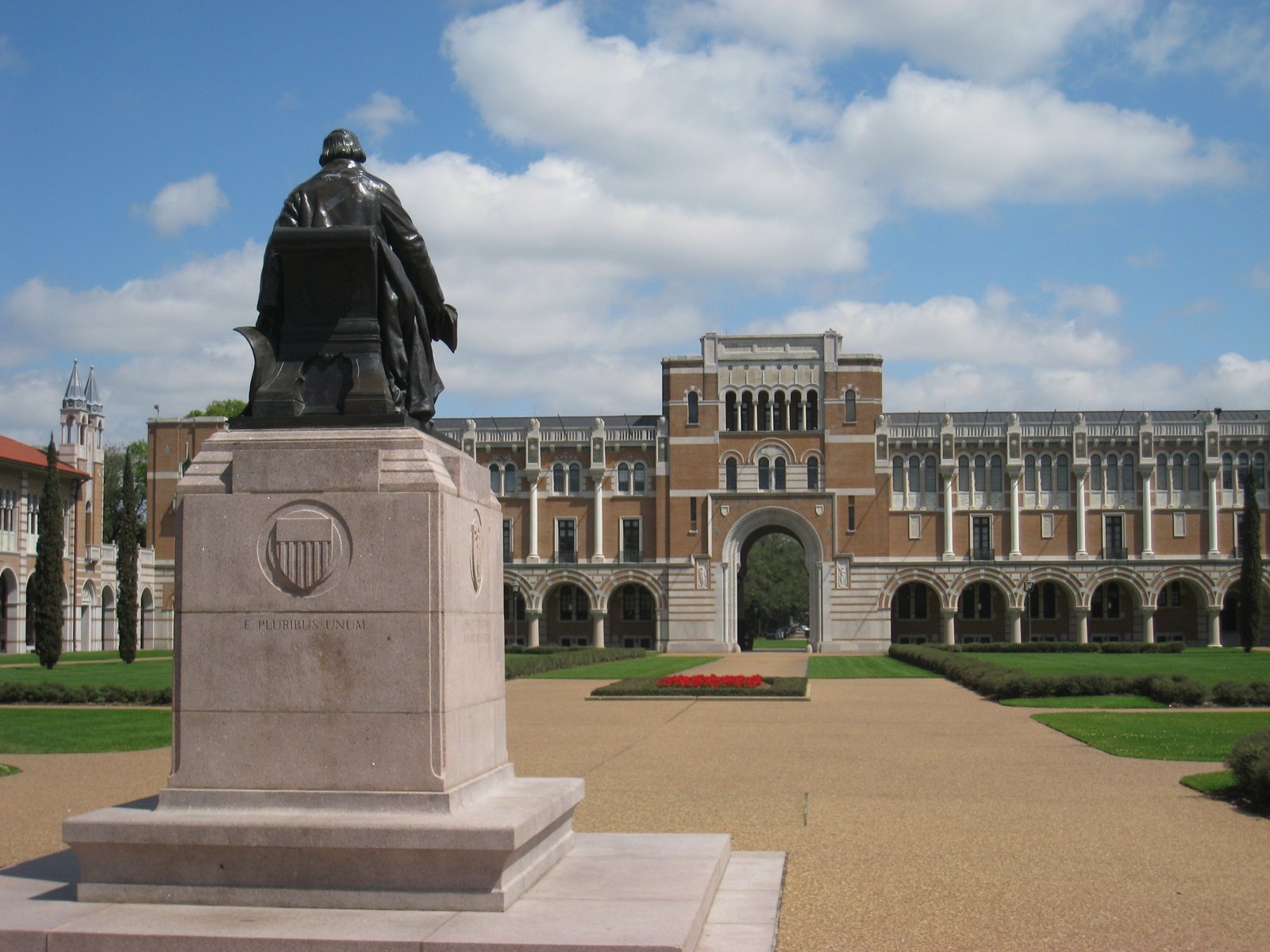
The Work of Younger Men: William Marsh Rice
On the night of September 23, 1900, William Marsh Rice, a Houston merchant who had made himself one of the richest men in Texas, was chloroformed in his sleep in a New York apartment by his valet, on the instructions of a lawyer who had forged a will to take his fortune. The fortune was already promised. Nine years earlier Rice had chartered an institute in Houston, put the money in trust, and left the building of it, in his own phrase, to younger men. The trustees held; the murderers were caught; and on the twelfth anniversary of his death the Rice Institute opened its doors. A week about a Mason who drew the plan and never saw the building, and about what it means to work for something you will not live to finish.

September 7 to September 13, 2026
The Unloved Founder: Samuel May Williams Dies at Galveston
On September 13, 1858, Samuel May Williams died in his house on Avenue P in Galveston, and the Knights Templars buried him. Texas had needed him for thirty-five years and had never much liked him: Austin's clerk and translator, the man whose credit armed the Revolution, a land speculator proscribed by Mexico, and at the end the president of the only chartered bank in the state, sued through the courts for the last six years of his life. The lodge kept a different ledger. In 1839 it made him Grand Master while he was still a Junior Warden, and in 1858 it carried him to his grave. A week about the men who keep the books, and about the one institution that counted the work.
August 31 to September 6, 2026
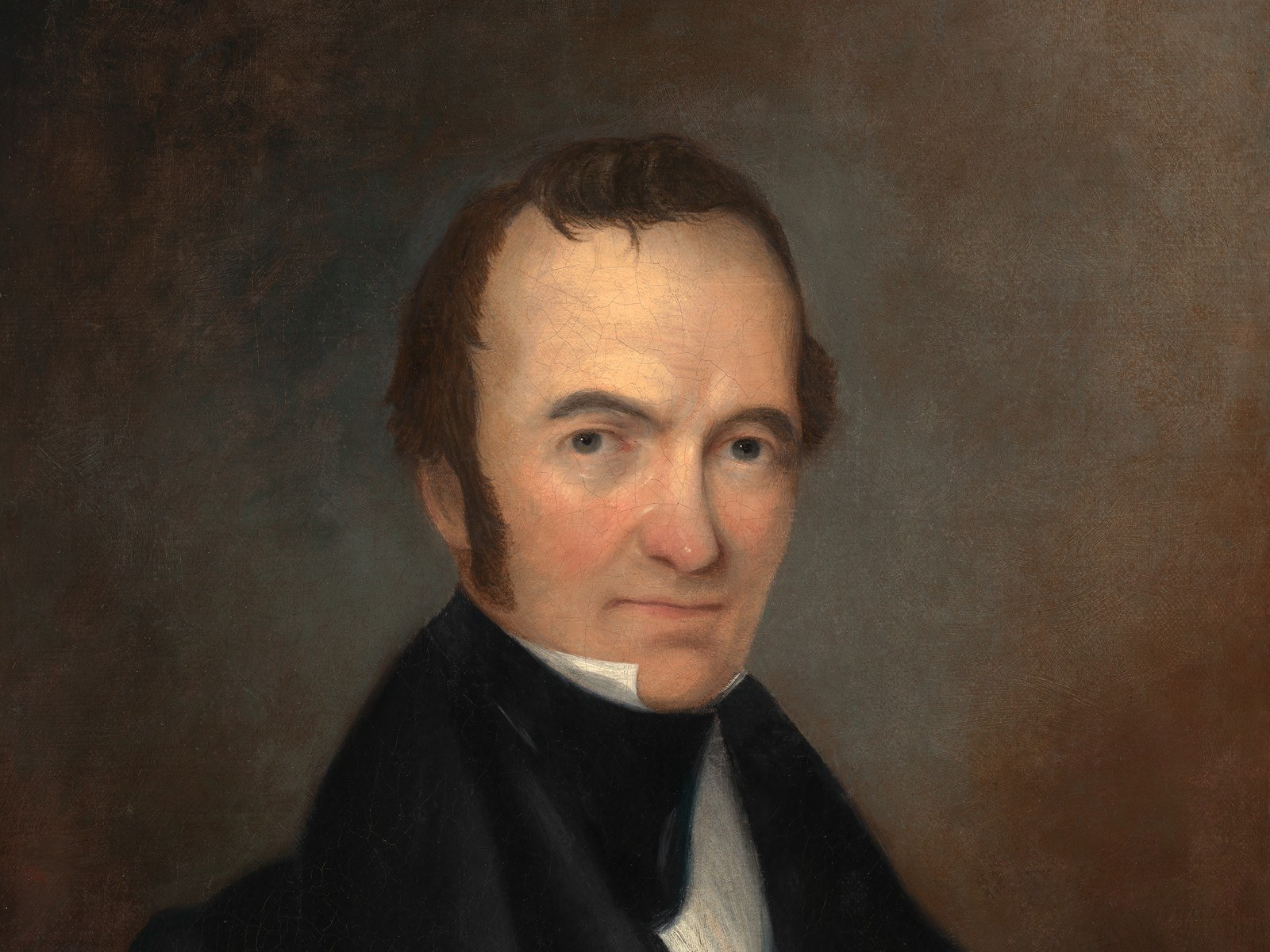
The Man Who Asked Permission: Stephen F. Austin at Brazoria
On September 5, 1836, Texas elected its first president and gave Stephen F. Austin 587 votes — third place, behind Sam Houston and Henry Smith. A year earlier, in the town of Brazoria, Austin had risen at a public dinner and sanctioned the Consultation that made such a vote possible. Six months before that, in the same town, six Masons who could not get a charter out of Mexico had quietly gone to Louisiana for one. A week about the difference between asking permission and constituting yourself — and about a man who spent his life doing the first and died a year after finally doing the second.
August 24 to August 30, 2026
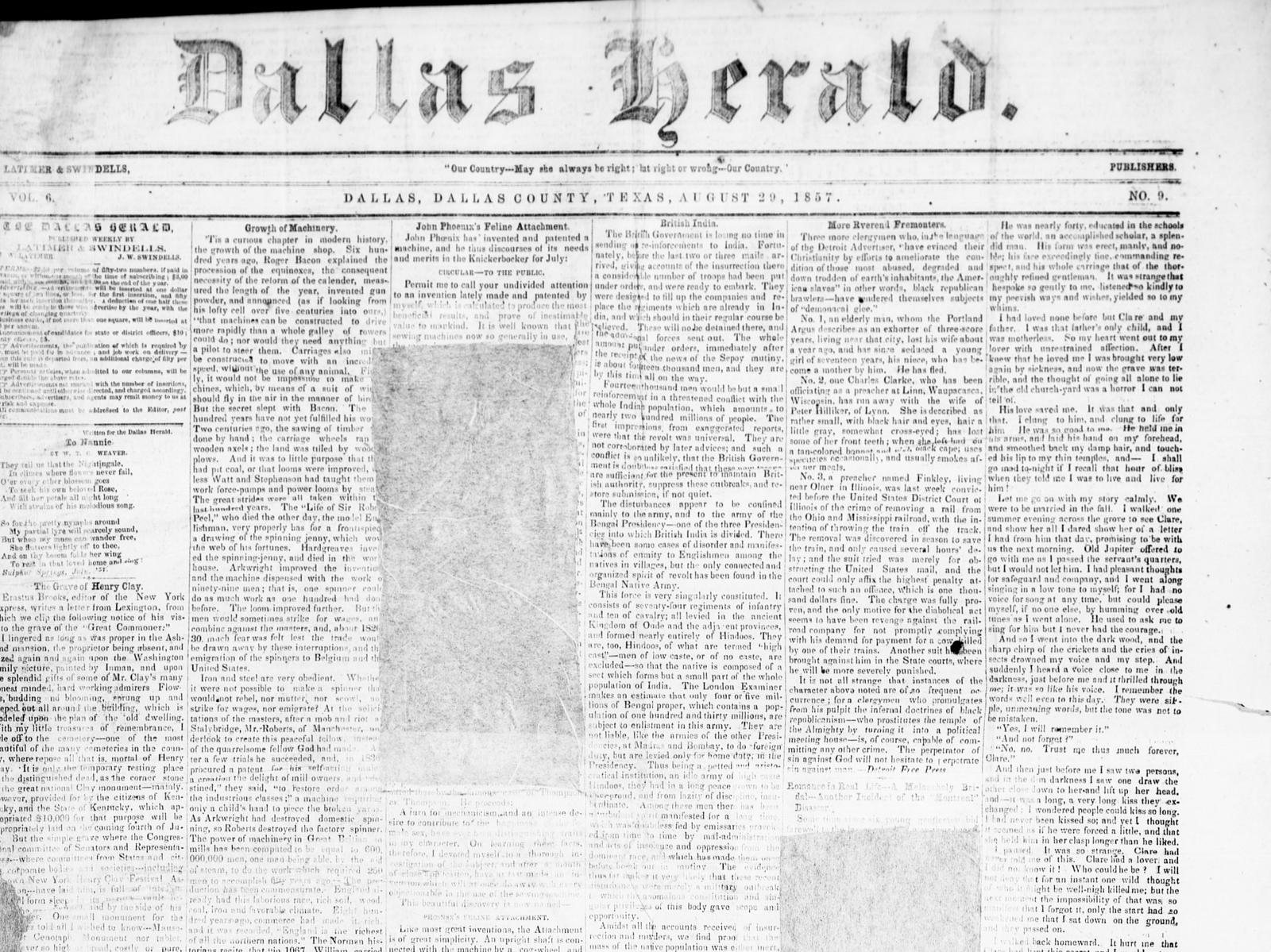
The Record We Keep: Hardin R. Runnels
Hardin Richard Runnels was born on August 30, 1820, and remains the only person who ever defeated Sam Houston at the polls. The Grand Lodge of Texas printed its own minutes for January 1852, and they place him in the room as the representative of Boston Lodge No. 69 — while the record of the same life holds thirty-nine enslaved people and a campaign to reopen the African slave trade. A week for keeping both halves of the book.
August 17 to August 23, 2026
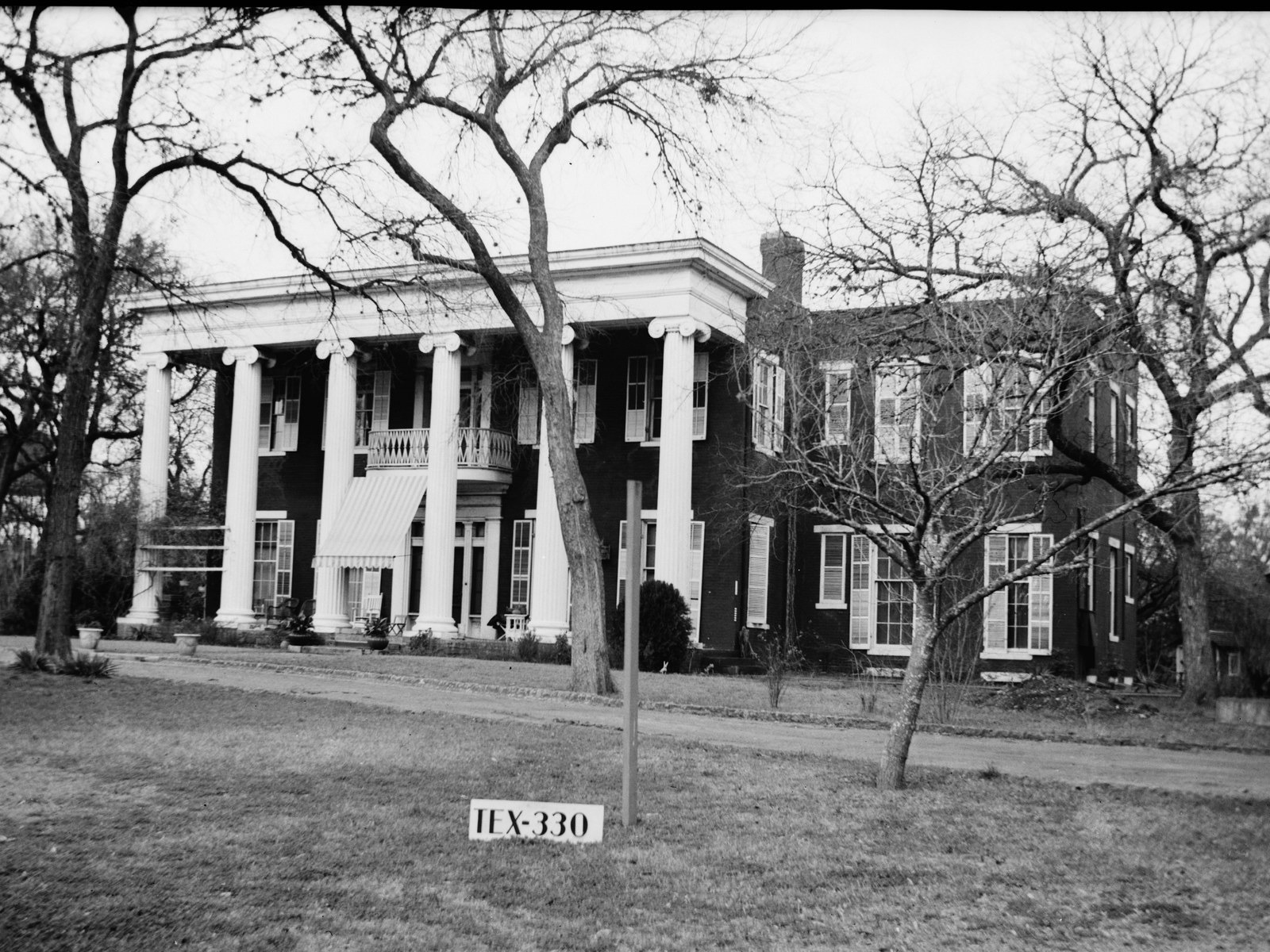
The Honest Ledger: Elisha M. Pease
Just past this week's edge falls the death of Elisha Marshall Pease — August 26, 1883 — the Connecticut clerk who kept the Republic of Texas's books, signed the 1854 school law that first funded Texas public education, and governed a state whose political generation was Masonic to its core. His own lodge membership rests on tradition; his ledger does not.
August 10 to August 16, 2026
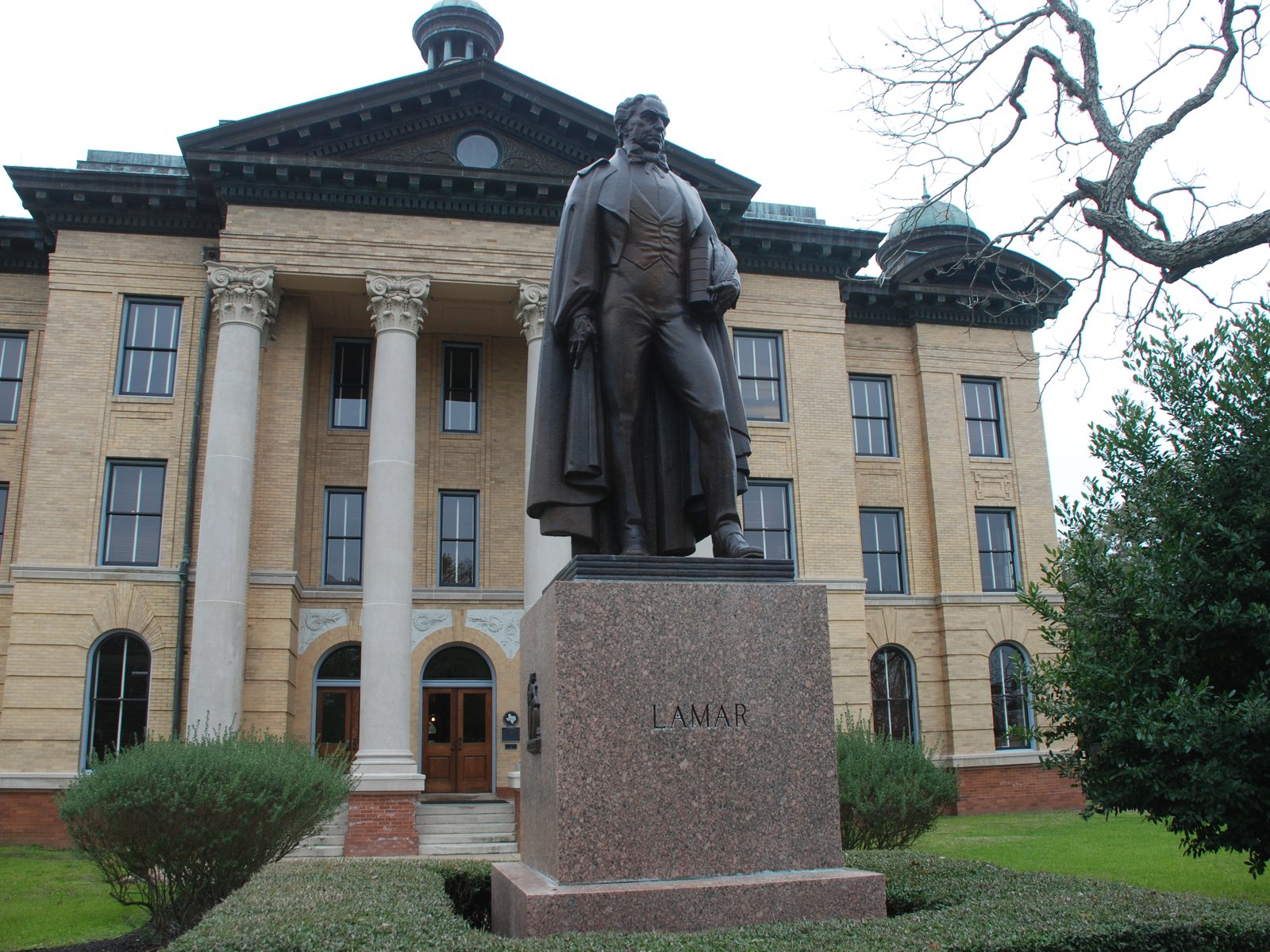
The Cultivated Mind: Mirabeau B. Lamar
This week holds the birthday of Mirabeau Buonaparte Lamar — August 16, 1798 — poet, cavalry commander at San Jacinto, second president of the Republic of Texas, and the man Texas calls the Father of Texas Education, whose name stands in the member ledger of Harmony Lodge No. 6 at Galveston and whose grave lies in the old Masonic cemetery at Richmond.
August 3 to August 9, 2026
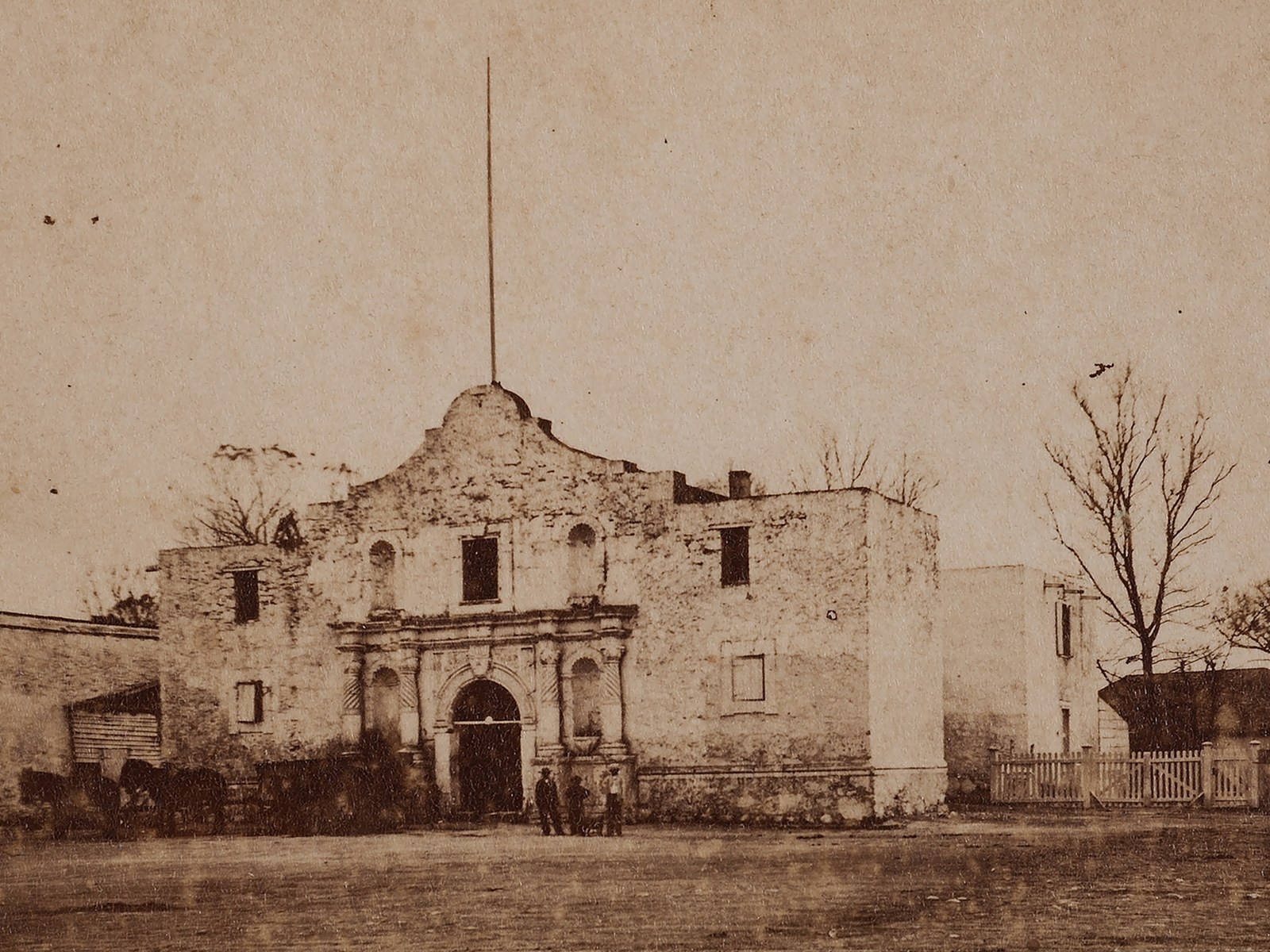
The Young Colonel: William Barret Travis
This week holds the birthday of William Barret Travis — August 9, 1809, by his family's Bible, though tradition long kept August 1 — the South Carolina-born, Alabama-raised lawyer, editor, and Mason of Alabama Lodge No. 3 who, at twenty-six, commanded the Alamo and addressed the most famous letter in Texas history to the people of Texas and all Americans in the world.
July 27 to August 2, 2026
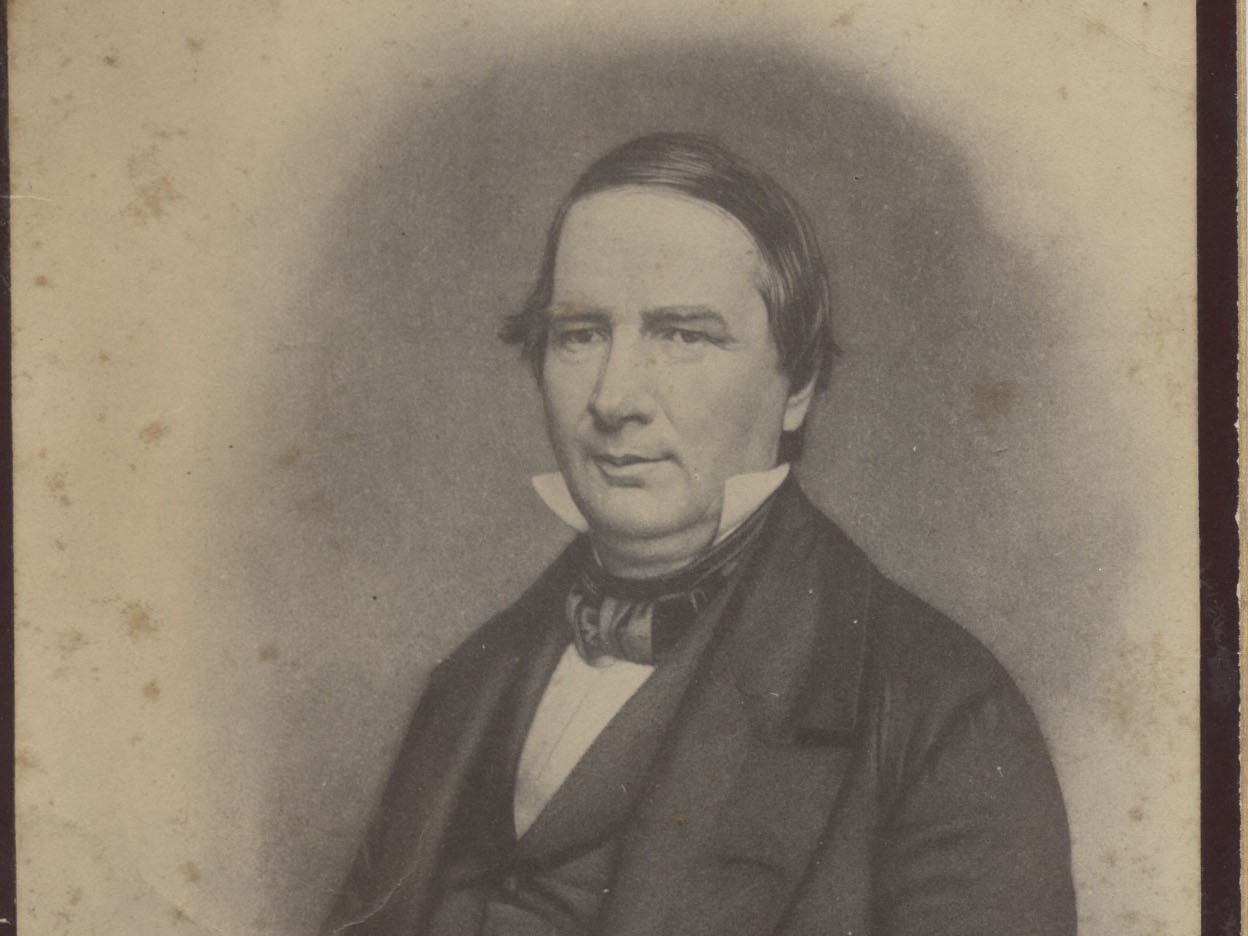
The Stonemason's Son: Thomas J. Rusk
This week marks the death of Thomas J. Rusk on July 29, 1857 — the stonemason's son who signed the Texas Declaration of Independence, fought at San Jacinto, commanded the army, presided over annexation, and helped found the Grand Lodge of Texas. He died holding the second-highest office in the United States Senate, and Texas has never fully reckoned with how much of its framework one man quietly built.
July 20 to July 26, 2026
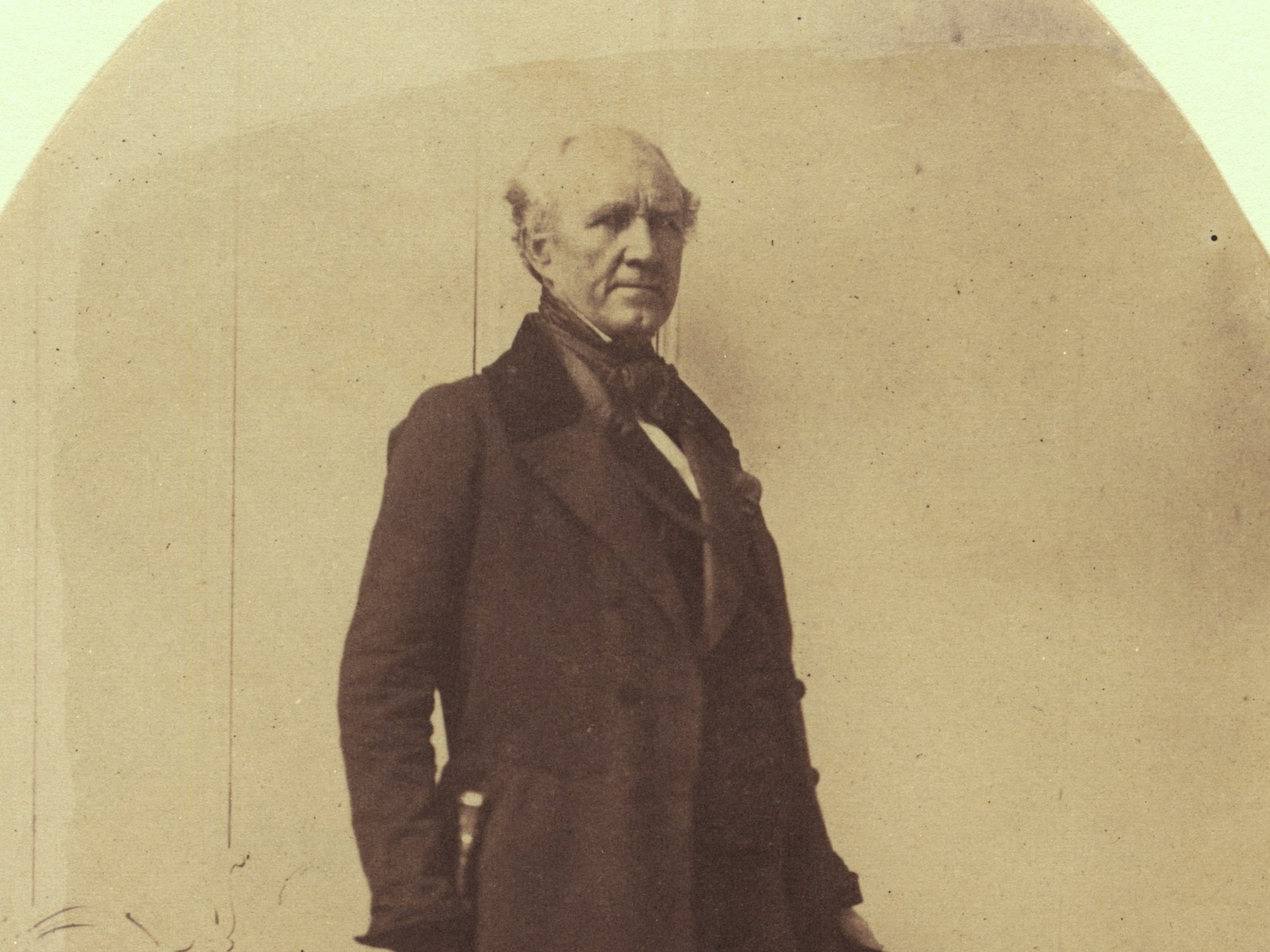
Sam Houston's Long Road to Huntsville
This week marks the death of Sam Houston on July 26, 1863 — the Raven of the Cherokee, the victor of San Jacinto, the president who presided over the founding of the Grand Lodge of Texas, and the governor who gave up power twice in one week rather than break an oath. A look at the whole of an incredible, contradictory man, and how Masonic memory holds him.
July 13 to July 19, 2026
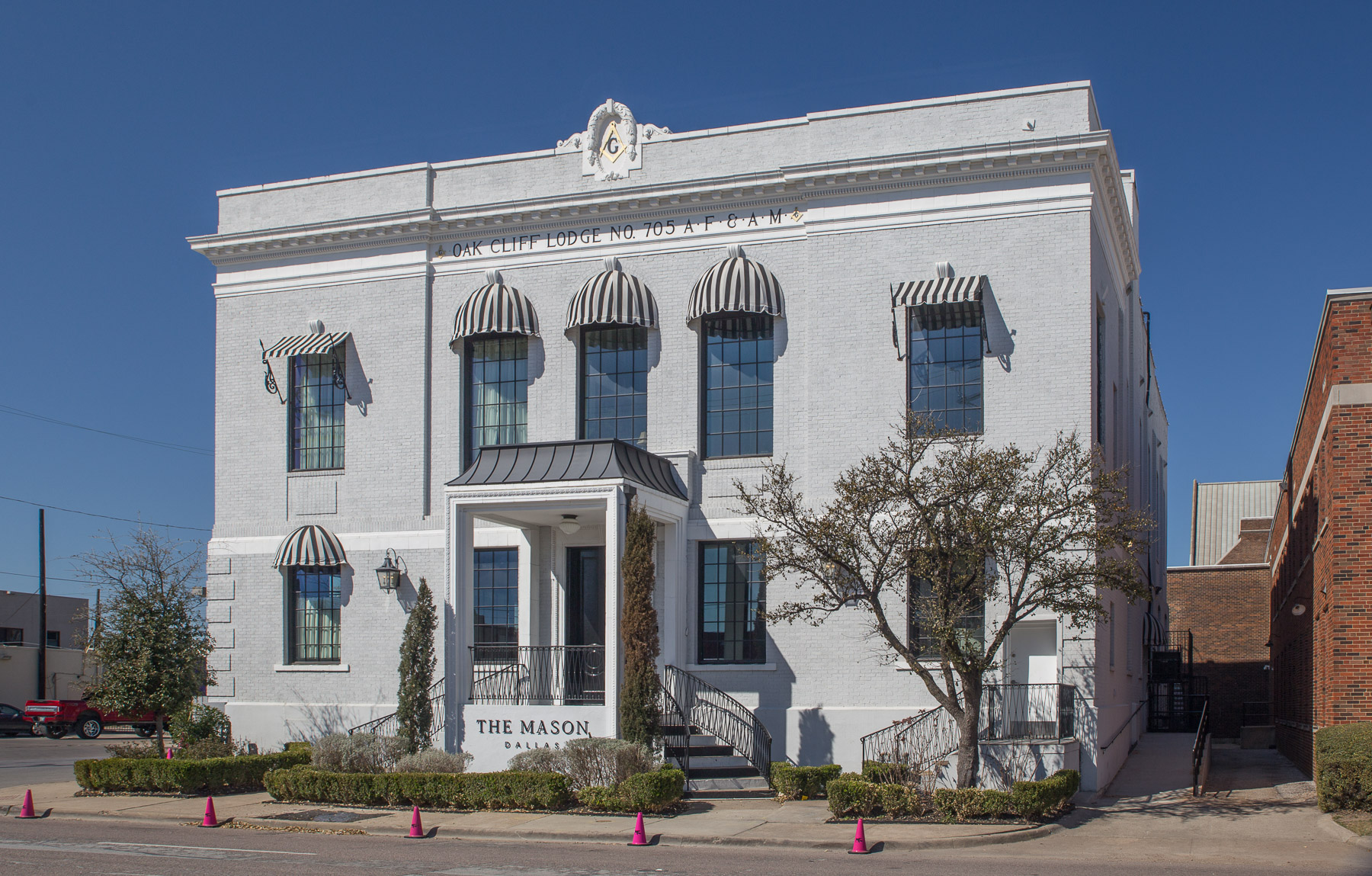
Oak Cliff Lodge and the Memory Stored in Buildings
This week looks at Oak Cliff Lodge No. 705 and its Dallas temple building, a reminder that Masonic history is also carried by architecture, neighborhoods, markers, and reuse.
July 6 to July 12, 2026
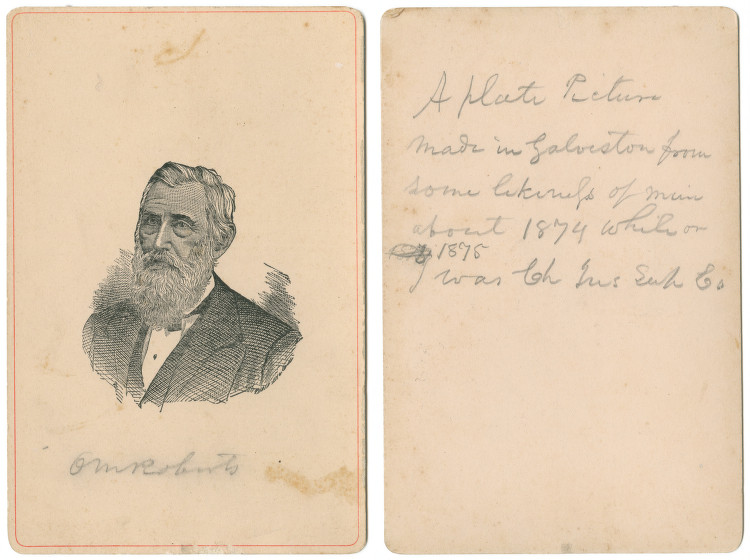
Oran M. Roberts and the Work of Preserving Texas Memory
This week follows Oran M. Roberts, a jurist, governor, teacher, and historical writer whose life shows how Texas memory was preserved through courts, classrooms, and civic institutions.
June 29 to July 5, 2026
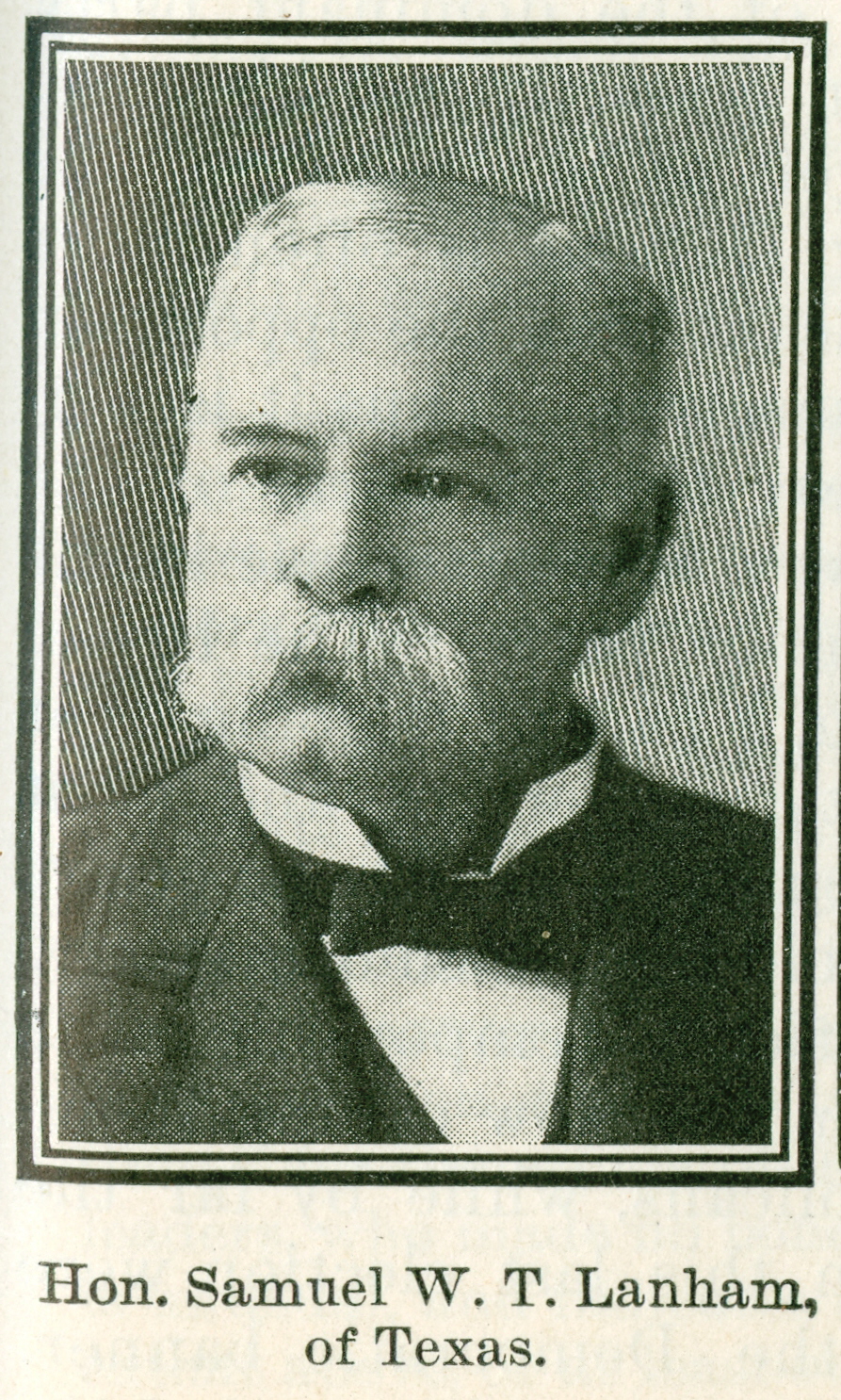
S. W. T. Lanham and Public Life After the Frontier
Born on July 4, S. W. T. Lanham carried Texas public life from the postwar frontier into Congress, the governor's office, and the civic institutions of Weatherford.
June 22 to June 28, 2026
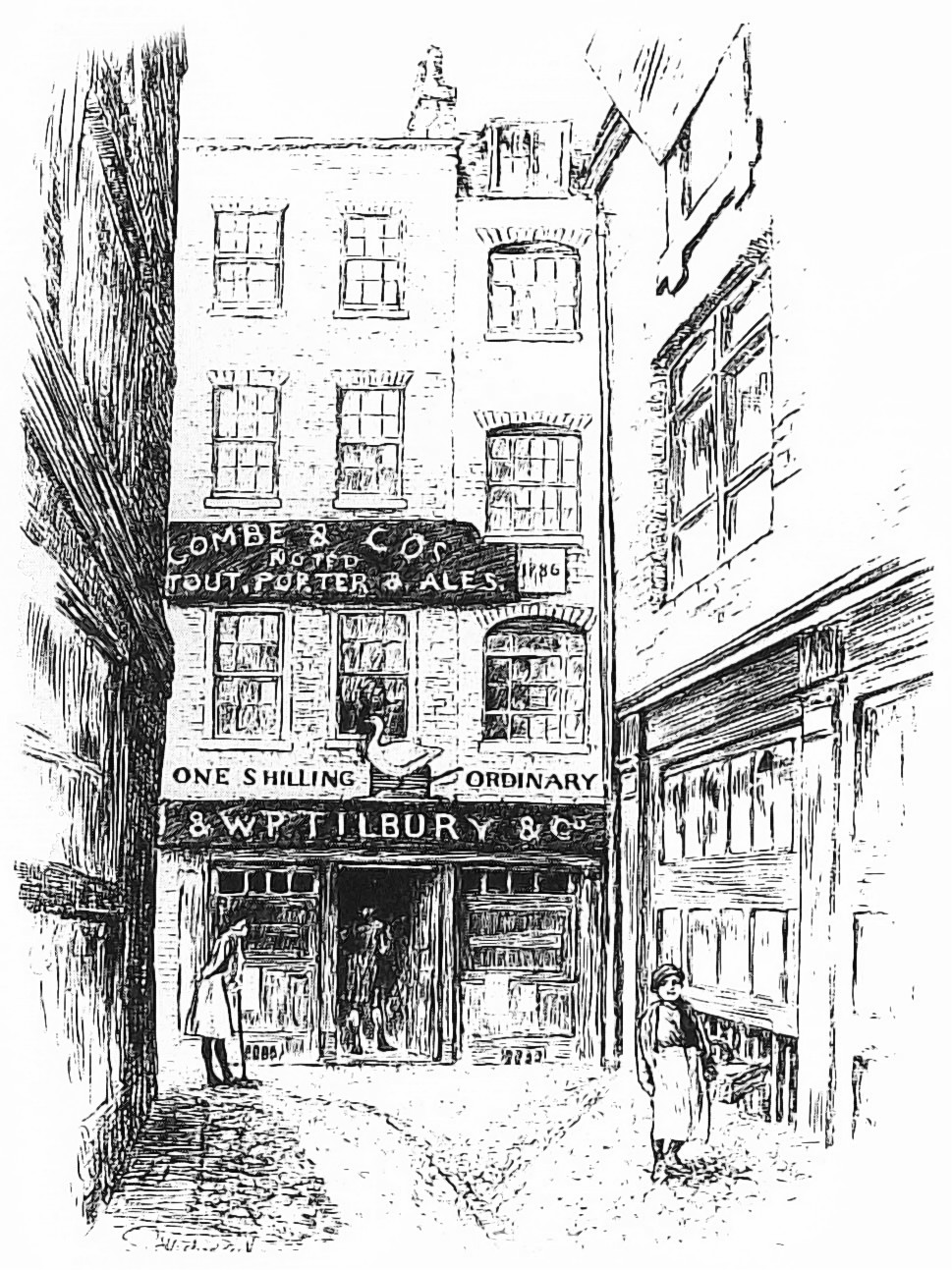
The First Grand Lodge Takes Shape
This week follows the 1717 meeting at the Goose and Gridiron, where four London lodges formed the first Grand Lodge and gave modern regular Masonry one of its defining patterns.

June 15 to June 21, 2026
Samuel May Williams Reaches Texas
This week follows Samuel May Williams from his arrival in Mexican Texas to his place in the civic, financial, and fraternal world that helped shape the Republic.