This Week in Masonic History·October 26 to November 1, 2026
The First Step: Lyndon Johnson, Entered Apprentice, October 30, 1937
On Saturday, October 30, 1937, a first-term congressman named Lyndon Baines Johnson knelt at the altar of Johnson City Lodge No. 561 and received the Entered Apprentice degree. His father, a six-term Texas legislator, had died the Saturday before. Johnson never took the second degree or the third. He was an Entered Apprentice Mason, but not yet a voting member. A week about what the first degree is for, why a lodge records exactly what happened and no more, and the one page of our minute book that a president's name is on.
The record is one sentence long. William Denslow’s 10,000 Famous Freemasons, the Missouri Lodge of Research’s great roll of the Craft, gives Lyndon B. Johnson a short entry and ends it this way: “Received Entered Apprentice degree only on October 30, 1937 in Johnson City Lodge No. 561, Johnson City, Texas.” The lodge’s own minute book says the same. There is no second entry. He was never passed to the degree of Fellowcraft or raised to the sublime degree of Master Mason. He was an Entered Apprentice Mason, but not a voting member of the lodge.
That one sentence sits inside a week worth understanding, because the week explains the step better than the man ever did.
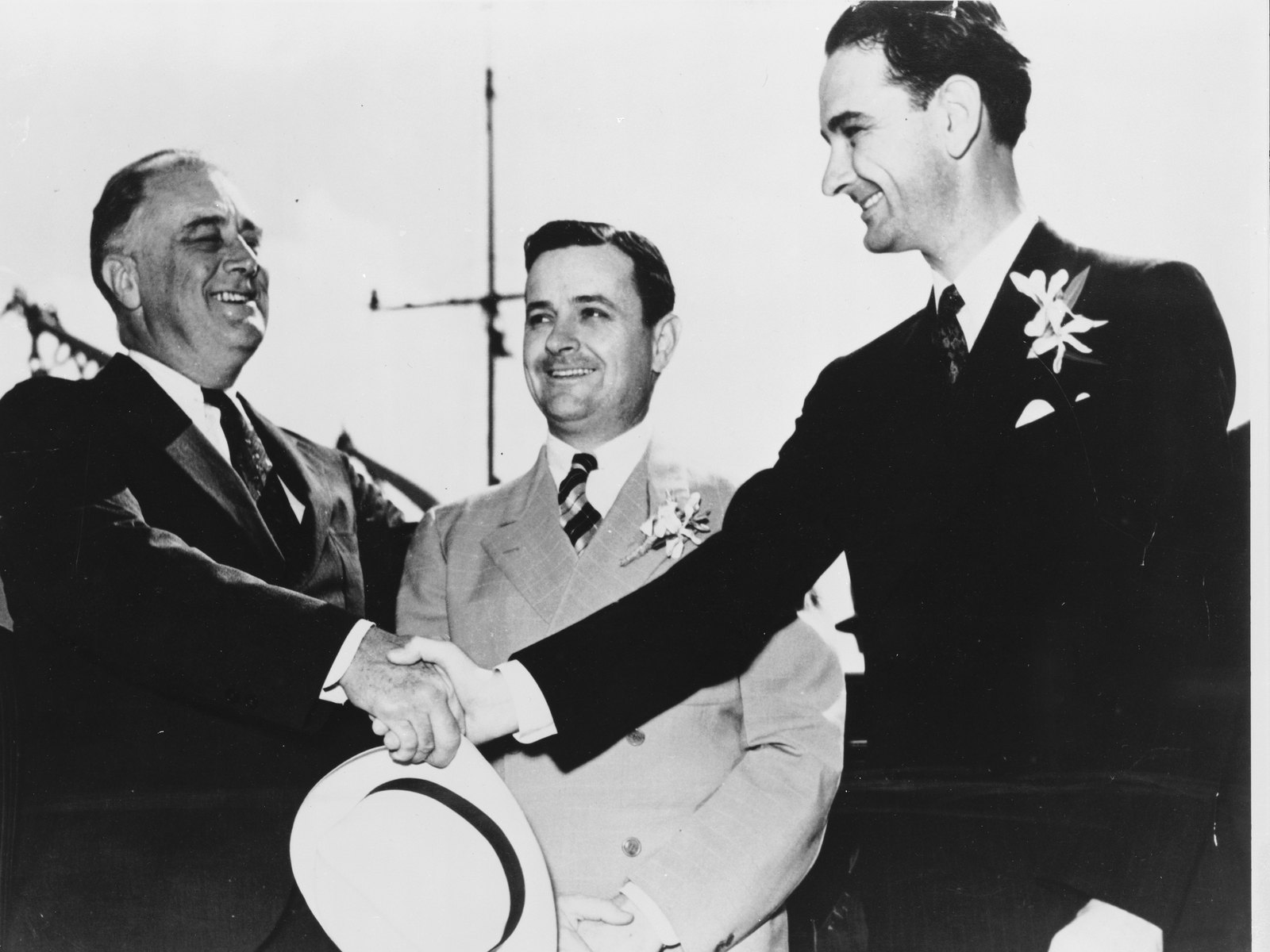
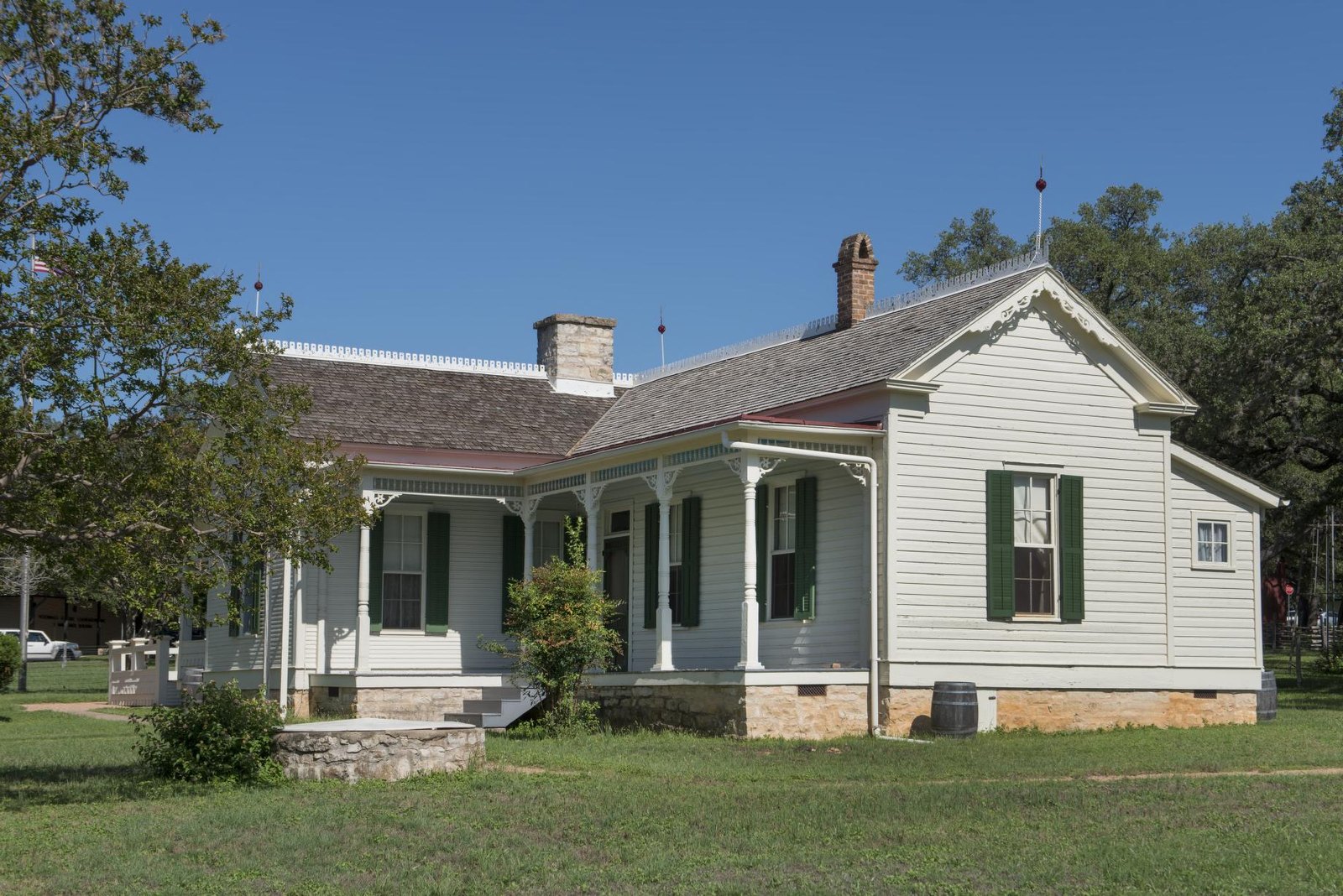
Begin in February. On February 22, 1937, Congressman James P. Buchanan of the Tenth District, chairman of the House Appropriations Committee, died in office. Johnson was twenty-eight, the Texas director of the National Youth Administration, a job Sam Rayburn had helped arrange. The National Park Service, which keeps his boyhood home in Johnson City, records what he did next: he “returned home from Austin to seek the advice of his father,” and in the first week of March he “stood on the porch of his boyhood home to announce his candidacy.” He ran as a New Dealer, and on April 10 he won. A month later, on May 11, President Roosevelt was at Galveston and shook the new congressman’s hand with Governor James V. Allred standing between them. The President was a Master Mason of Holland Lodge No. 8 in New York; the congressman was not yet anything.
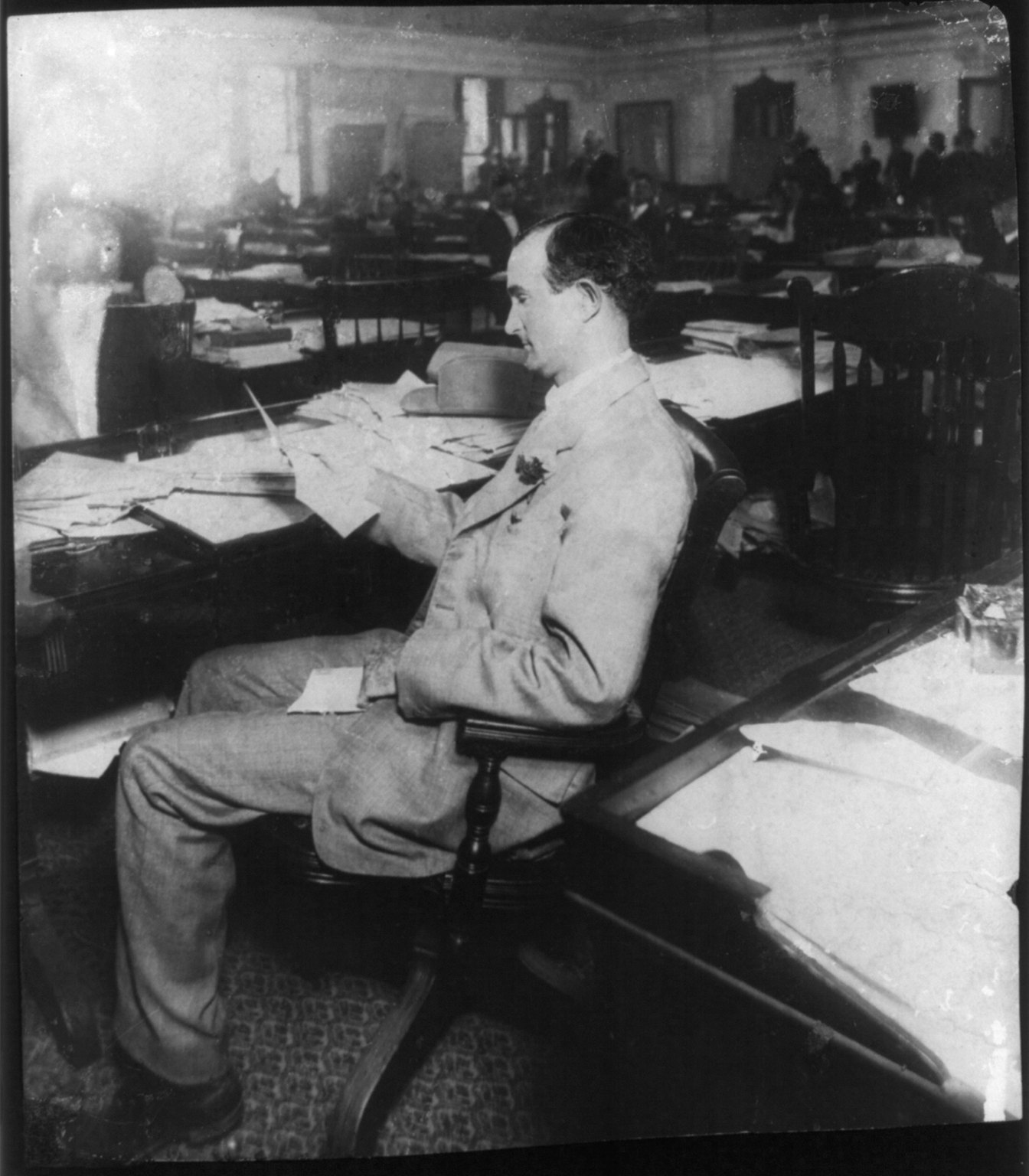
The man whose advice he had asked was Sam Ealy Johnson, Jr. The Handbook of Texas gives his life in a paragraph: born at Buda in 1877, schooled at Johnson City, a teacher at White Oak and Rocky schools before he was twenty, elected to the legislature in 1904, author of the Alamo Purchase Bill and the Blue Sky Law, six sessions in the Texas House. Ruined in cotton in 1906 and never entirely recovered. Heart attacks in 1935 and 1937. The Park Service adds the part that matters for a son: at ten Lyndon was on the campaign trail for his father, and at thirteen he “sat by his father’s side during legislative sessions.” Everything the congressman knew about politics he had learned in that chair.
Congress adjourned on August 21. On October 12 Roosevelt proclaimed an extra session to open on November 15, so Congress was not sitting that autumn and its members were at home. On Saturday, October 23, 1937, Sam Johnson died. The Park Service’s history of the family cemetery on the Pedernales records the funeral: he “had many friends and benefactors, and a large crowd came to pay their respects,” and because his son “had just recently been elected as a U.S. congressman,” the governor of Texas and other dignitaries attended. The governor that year was Allred, the man in the middle of the Galveston photograph.
Seven days later, on the next Saturday, the congressman was in the lodge room in Johnson City as a candidate for the first degree. There is no record that he did anything in the fraternity before that week, and none that he did anything after it. Denslow’s book, written while Johnson was still in the Senate, is careful to say “only.” Marples, writing in 2025, offers the explanation most people reach for, that a life “consumed in either running for, or serving in, political office” left no time for the second and third degrees, and he is honest enough to add that “other reasons have been advanced as well.” The record is silent, and this essay will leave it silent.
What the record does show is what the first degree is. An Entered Apprentice is a Mason, though not yet a voting member of the lodge. He has been received, obligated, and charged; he has been shown the working tools of a beginner and told what they mean; he has been given a lesson about the lodge, about God, his neighbor, and himself. And then he is sent home to learn it. The degree is a beginning that leaves the choice to go on entirely with the candidate, and an Entered Apprentice is already a Mason as he considers that choice. That is not a defect in the system. It is the system. The Craft has never recruited, and the first degree is where it proves it.
Johnson was not the only powerful Texan to stop there. The same book that records his one degree records that Sam Rayburn, Speaker of the House and the closest ally Johnson had in Washington, “received the Entered Apprentice degree only, Aug. 7, 1922, in Constantine Lodge No. 13” at Bonham. Two men who between them ran the Congress for a generation each took the first step in a small-town Texas lodge and never took the second. Whatever the reason, the record did not pretend otherwise; Denslow wrote “only” for both of them. He was buried in the family cemetery near Johnson City in January 1973, a few steps from his father.
There is something worth admiring in that care for the record. Freemasonry is accused, often, of collecting famous names, and it is true that lists of Masonic presidents circulate with little care for what the lodge books actually say. The lodge record runs the other way. A lodge records what was done at its altar and nothing more. It wrote Lyndon Johnson’s name in the same hand and on the same kind of page that it wrote the names of the ranchers and storekeepers who were initiated before him, and it did not go back later and improve the entry. The man became the most powerful person on earth, and the entry still says what it said in 1937: Entered Apprentice.
This is where the story belongs to Johnson City Lodge No. 561 and to no one else. Our charter was signed on December 16, 1882, in a town James Polk Johnson had laid out a few years before and that the Handbook of Texas records was named for him. The congressman who knelt at our altar was, in the Handbook’s words, “a relative of the founder of the city.” The ground our cemetery stands on came, in 1892, from the founder’s widow, Julia Ann Moore Johnson; the Texas Historical Commission’s marker says so. The lodge gave the town its cemetery and, in the 1930s, the congressman gave the town its electricity. The two institutions that shaped Johnson City were, for one Saturday night in October 1937, in the same room.
What we hold is the record of an Entered Apprentice Mason. We hold a minute book with a first step in it, taken by a man in the week he lost the father who taught him his trade. The first degree asked him what it asks every candidate, then and now: to begin, and to decide for himself whether to go on. He began. The lodge wrote it down. That is the whole of it, and it is enough.
Listen to This Story
6:36Read it here. Hear it anywhere.
Take the Story With You
Never miss a week.
Subscribe once and each new Texas Masonic history episode will arrive automatically in your podcast app.